
Can you use a phone line for Ethernet? This question often comes up when trying to find an affordable and convenient way to connect to the internet. It might surprise you to learn that in some cases, it is possible to use your existing phone line for Ethernet connectivity. While Ethernet typically requires a different type of cable, known as an Ethernet cable, there are certain scenarios where you can repurpose your phone line for this purpose.
The use of phone lines for Ethernet dates back to the introduction of DSL (Digital Subscriber Line) technology. DSL allows for the simultaneous transmission of internet data and voice calls over the same line. By utilizing modems or specialized DSL adapters, it is possible to convert your phone line into an Ethernet connection. This solution can be particularly useful in situations where running Ethernet cables is not feasible or cost-effective. As technology continues to advance, alternative methods such as powerline Ethernet adapters that use existing electrical wiring are also becoming popular for extending network connectivity.
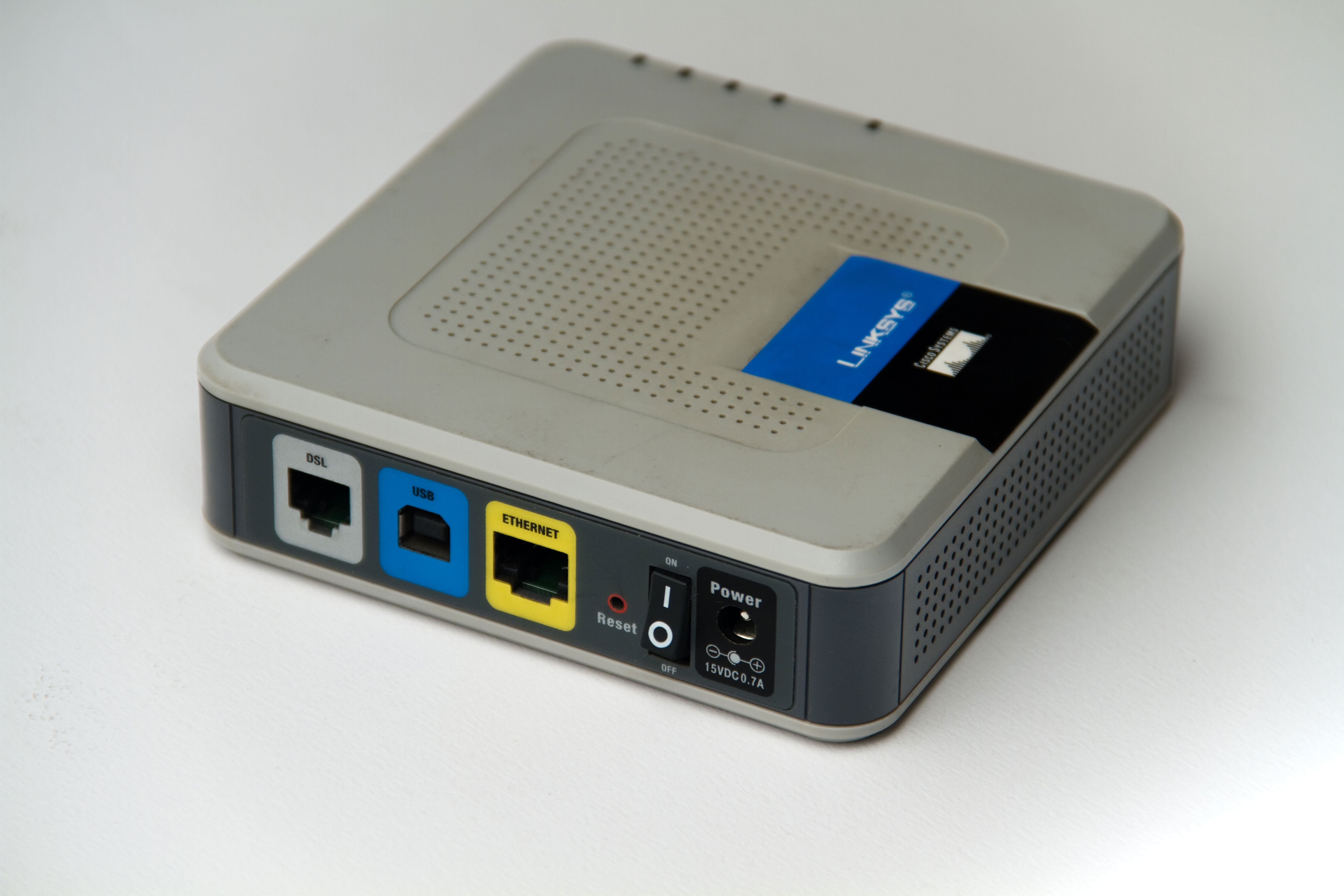
Phone lines cannot be directly used for Ethernet connections without proper conversion. Ethernet requires twisted-pair cables, specifically Cat5e or Cat6, to transmit data effectively. Phone lines use different wiring standards and connectors that are not compatible with Ethernet devices. To connect Ethernet devices using phone lines, you need an Ethernet over phone line adapter or a DSL modem. These devices convert the phone line signals into Ethernet signals, allowing you to use the phone line for internet connectivity.
Contents
Using Phone Line for Ethernet: Exploring the Possibilities
With the advancements in technology, the use of phone lines for internet connectivity has become a topic of interest. Many people wonder if it is possible to use their existing phone lines for Ethernet connections. In this article, we will delve into the possibilities of utilizing phone lines for Ethernet and discuss the advantages and limitations of such a setup.
Understanding Phone Line Connections
Before exploring the potential of using phone lines for Ethernet, it is essential to understand how phone line connections work. Phone lines are traditionally used for transmitting voice signals, allowing us to make telephone calls. They consist of a pair of copper wires that carry analog signals. However, with the emergence of digital technology, these phone lines can also be used for transmitting data.
The most common type of phone line connection is called Plain Old Telephone Service (POTS). POTS lines support a frequency range of 0-3.4 kHz, which is sufficient for voice communication but not ideal for high-speed data transfer.
To utilize phone lines for Ethernet, a technology called Digital Subscriber Line (DSL) is often used. DSL transforms the existing copper phone lines into a high-speed data transmission medium. It achieves this by dividing the available frequency range of the phone line into different frequency bands, allowing for simultaneous voice and data transmission over the same line.
DSL technology revolutionized the use of phone lines for internet connectivity, offering higher speeds and improved reliability compared to traditional dial-up connections. While DSL provides a viable alternative to cable or fiber optic internet, phone lines have certain limitations that need to be considered.
Advantages of Using Phone Lines for Ethernet
1. Existing Infrastructure: One of the major advantages of utilizing phone lines for Ethernet is that most households already have phone line connections in place. This eliminates the need for additional wiring or infrastructure installation, reducing the overall cost and effort.
2. Wide Availability: Phone lines are available in almost every residential and commercial building, making Ethernet connectivity accessible to a large population. This widens the reach of high-speed internet and bridging the digital divide in some areas.
3. Reliability: Phone lines are known for their reliability and stability. They are less prone to interference from external factors such as weather conditions or electrical disturbances, providing a consistent internet connection.
Limitations of Using Phone Lines for Ethernet
1. Distance Limitations: Phone lines using DSL technology have distance limitations. As the distance between the internet service provider (ISP) and the user’s location increases, the signal strength decreases, resulting in slower internet speeds. This can be a constraint for users located far away from the ISP’s central office.
2. Speed Variations: The available internet speeds over phone lines can vary depending on factors such as line quality, distance, and the ISP’s infrastructure. It is important to consider these variations while opting for Ethernet over phone lines.
3. Bandwidth Sharing: With DSL technology, voice and data signals share the same phone line. This can lead to bandwidth limitations when both voice calls and data transfers are in progress simultaneously. However, advancements in DSL technology have minimized this issue to a great extent.
4. Upgraded Infrastructure: To ensure optimal performance, it is necessary to have an upgraded phone line infrastructure that supports DSL technology. This may require equipment such as DSL modems and filters, which may incur additional costs.
Types of Phone Line Ethernet Connections
There are different types of phone line Ethernet connections available, each with its own set of advantages and limitations. Let’s explore a few of them:
1. ADSL (Asymmetric Digital Subscriber Line)
ADSL is the most widely used type of phone line Ethernet connection. As the name suggests, it offers asymmetric speeds, meaning the download speed is higher than the upload speed. ADSL technology allows for simultaneous voice and data transmission by dividing the frequency bands efficiently. It provides reasonable speeds for everyday internet usage.
ADSL connections are suitable for residential users who primarily consume internet content such as browsing, streaming, and online gaming. However, for users requiring faster upload speeds or engaging in activities like video conferencing or uploading large files, other alternatives may be more appropriate.
It is important to note that ADSL speeds can vary depending on distance, line quality, and ISP infrastructure.
2. VDSL (Very high bit-rate Digital Subscriber Line)
VDSL is an advanced version of DSL technology that provides higher speeds than ADSL. It offers symmetric speeds, meaning the download and upload speeds are comparable. VDSL utilizes a wider frequency range, allowing for faster data transfer rates. This makes it suitable for applications that require higher upload speeds, such as video conferencing or file sharing.
However, VDSL also has distance limitations, and users located far away from the ISP’s central office may experience reduced speeds. It is essential to check the availability and coverage of VDSL in your area before opting for this technology.
3. Fiber-to-the-Home (FTTH)
Fiber-to-the-Home (FTTH) is a future-oriented solution for high-speed internet connectivity. Instead of using traditional copper phone lines, FTTH connections utilize fiber optic cables to transmit data. Fiber optic cables offer extremely high data transfer rates and are not limited by signal degradation over longer distances.
FTTH provides symmetrical speeds, making it ideal for users requiring a reliable and high-speed internet connection for both downloads and uploads. However, the deployment of FTTH infrastructure is still limited in many areas, and the installation costs can be higher compared to DSL connections.
It is important to note that FTTH is not a traditional phone line connection but a modern solution that offers superior performance.
Conclusion
In conclusion, it is possible to use phone lines for Ethernet connectivity by utilizing DSL technology. This offers a convenient way to leverage existing infrastructure and extend high-speed internet access to a wider population. However, phone lines have certain limitations, including distance constraints, speed variations, and bandwidth sharing. Therefore, it is crucial to consider these factors when opting for Ethernet over phone lines.
Using Phone Line for Ethernet: What You Need to Know
As a professional in the field, there are certain aspects to consider when it comes to using a phone line for Ethernet connectivity.
Firstly, it’s important to note that while it is theoretically possible to use a phone line for Ethernet, it is not recommended. Phone lines are designed for voice communication, not high-speed data transfer. They are typically limited to a lower bandwidth compared to Ethernet cables and may result in slower internet speeds and unreliable connections.
If you are in a situation where using a phone line is necessary, consider using a DSL (Digital Subscriber Line) modem. DSL technology allows for data transmission over telephone lines, offering faster speeds compared to traditional phone lines. However, it’s important to note that even with a DSL modem, the performance may not match that of a dedicated Ethernet connection.
If you require reliable and high-speed internet connectivity, it is recommended to use Ethernet cables or fiber optic connections. These technologies are specifically designed for data transmission and offer superior performance compared to using a phone line for Ethernet.
Key Takeaways – Can You Use Phone Line For Ethernet
- It is possible to use a phone line for ethernet, but it may not provide optimal performance.
- Using a phone line for ethernet requires a special adapter called a DSL modem.
- DSL modems convert the phone line’s analog signal into a digital signal for ethernet use.
- Phone lines are designed for voice communication, not high-speed data transmission.
- If you use a phone line for ethernet, you may experience slower speeds and more frequent interruptions.
While it may be tempting to use a phone line for Ethernet, it is not recommended. Phone lines and Ethernet cables have different wiring standards and use different types of signals. Phone lines are designed for voice communication and cannot handle the high data speeds required for Ethernet. They use different connectors as well, with phone lines using RJ11 connectors and Ethernet cables using RJ45 connectors. So, attempting to use a phone line for Ethernet will result in a slower and unreliable connection.
If you want to set up a reliable and fast Ethernet connection, it is best to use proper Ethernet cables and connectors. These cables are specifically designed to handle the high speeds and data requirements of Ethernet. They provide a stable and secure connection, allowing you to enjoy fast internet speeds and reliable network connectivity. Investing in Ethernet cables may require some extra cost, but it is certainly worth it for the improved performance and reliability you will experience.