
The reason behind why the Kindle is black and white may surprise you. While there are many theories and opinions on this topic, one compelling reason is the focus on enhancing the reading experience. By utilizing a black and white display, the Kindle aims to replicate the experience of reading a physical book, with the sharp contrast and clarity of the text against the background. This intentional design choice helps to minimize distractions and provide a more comfortable and enjoyable reading experience for users.
The decision to opt for a black and white display on the Kindle also comes from a practical standpoint. E-ink technology, which is used in Kindle devices, offers several advantages over traditional LCD screens, such as lower power consumption and reduced eye strain. By using a black and white display, the Kindle is able to deliver a paper-like reading experience while maximizing battery life. Additionally, the black and white display allows for better visibility in various lighting conditions, making it easier to read both indoors and outdoors.
Kindle is black and white to provide a reading experience that closely resembles reading a physical book. The black and white e-ink screen on the Kindle allows for sharp, clear text that is easy on the eyes even in bright sunlight. Additionally, the e-ink technology used in Kindle displays consumes less power, resulting in a longer battery life. The black and white display also reduces distractions, allowing readers to focus solely on the content without any unnecessary visual elements.
Contents
The Evolution of Kindle: A Monochrome Display
The Kindle e-reader has revolutionized the way we read and consume books. Its sleek design, portability, and extensive library have made it a go-to device for book lovers around the world. One distinctive feature of the Kindle is its black and white display. While many other devices have transitioned to color screens, the Kindle has maintained its monochrome display. This choice has raised questions among readers and technology enthusiasts alike. So, why is Kindle black and white? In this article, we will explore the reasons behind this design decision and delve into the advantages it offers.
E-Ink Technology: The Key to Kindle’s Monochrome Display
The primary reason for the black and white display on Kindle is the use of E-Ink technology. E-Ink is a type of electronic paper display that replicates the appearance of ink on paper. It is designed to mimic the reading experience of traditional ink-on-paper books, providing clear text and reducing eye strain. E-Ink displays use tiny microcapsules containing black and white particles suspended in a clear fluid. When an electric field is applied, these particles rise or fall, forming text or images on the screen.
The use of E-Ink technology allows the Kindle to have a paper-like display with high contrast and readability, even in direct sunlight. Unlike traditional LCD or OLED screens, E-Ink displays do not emit light or require a backlight, which significantly extends battery life. Additionally, E-Ink screens reflect light like paper, rather than emitting it like a typical screen. This results in reduced eye strain and a more comfortable reading experience, making it an ideal choice for dedicated reading devices like the Kindle.
While E-Ink technology is primarily associated with black and white displays, there have been advancements in recent years to introduce limited color capabilities in E-Ink screens. However, these color displays are still in their early stages and are not yet able to match the vibrancy and versatility of traditional color screens found in tablets and smartphones. Therefore, to maintain the optimal reading experience and prioritize battery life, Kindle continues to utilize monochrome E-Ink displays.
Advantages of the Monochrome Display
The monochrome display of the Kindle offers several advantages that enhance the reading experience:
- Reduced Eye Strain: The E-Ink display used in Kindle offers a paper-like reading experience, reducing eye strain compared to LCD or OLED screens. This is especially beneficial for those who spend extended periods reading.
- High Contrast Text: The black and white display provides high contrast text, making it easier to read in various lighting conditions.
- Longer Battery Life: E-Ink displays consume significantly less power than color screens, resulting in extended battery life on the Kindle. Users can enjoy weeks of reading on a single charge.
- Improved Outdoor Reading: The reflective nature of E-Ink screens makes them ideal for outdoor reading. Unlike backlit screens, the Kindle display remains legible even in bright sunlight.
Focusing on the Reading Experience: Distraction-Free Environment
By design, the Kindle aims to provide a dedicated reading experience free from distractions. Unlike tablets or smartphones, which often have vibrant color screens and numerous apps, the Kindle focuses solely on reading. The monochrome display plays a crucial role in creating this distraction-free environment.
The absence of color on the Kindle display eliminates visual distractions that can take away from the reading experience. With no vibrant images or flashy interfaces, users can immerse themselves in the written word without interruptions. By keeping the interface minimalistic and straightforward, Kindle ensures that readers can fully engage with the content and enjoy a seamless reading experience.
Benefits of a Distraction-Free Reading Environment
A distraction-free reading environment provided by the Kindle’s monochrome display offers numerous benefits:
- Focused Attention: The absence of colorful distractions allows readers to maintain focused attention on the content without getting sidetracked.
- Enhanced Comprehension: By eliminating visual clutter, the Kindle’s monochrome display helps improve comprehension and retention of the material being read.
- Reduced Digital Fatigue: The monochrome display reduces the strain on the eyes and minimizes the risk of digital fatigue that can occur with prolonged exposure to vibrant color screens.
- Promotes Nighttime Reading: The lack of blue light emitted by the Kindle display makes it suitable for nighttime reading, as exposure to blue light can interfere with sleep patterns.
A Classic Aesthetic: Honoring the Book Experience
The Kindle’s black and white display pays homage to the traditional book reading experience. Books have been printed in black ink on white paper for centuries, and the monochrome display of the Kindle replicates this aesthetic. By maintaining a familiar look, Kindle aims to bridge the transition between physical books and digital reading.
This classic aesthetic serves multiple purposes. First, it creates a sense of familiarity and comfort for readers. The black text on a white background mimics the experience of reading a printed book, making it more accessible for individuals who might be hesitant to embrace digital reading. Second, it preserves the visual simplicity that many readers appreciate in physical books, allowing the focus to remain on the content rather than the presentation.
The black and white aesthetic also reflects the dedication to providing a device solely focused on reading. By eliminating the temptation of multimedia features or flashy interfaces, the Kindle reinforces its commitment to creating an immersive reading experience.
Embracing the Advancements: Kindle Paperwhite
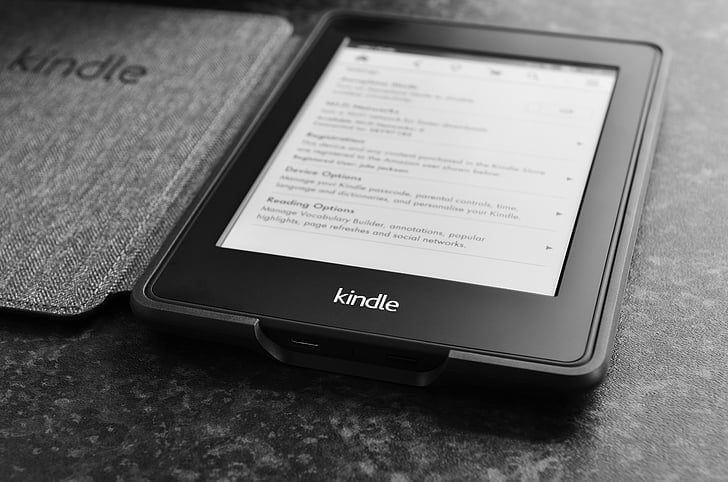
While the traditional Kindle models adopt the black and white monochrome display, Amazon has released the Kindle Paperwhite, which incorporates advancements in E-Ink technology. The Paperwhite offers a higher resolution display with better contrast, enabling crisper text and sharper images.
The Paperwhite also incorporates a built-in adjustable front light, making it easier to read in different lighting conditions. This feature enhances the reading experience without compromising the advantages of the monochrome display. Users can adjust the brightness according to their preference and enjoy a comfortable reading experience day or night.
While the Kindle Paperwhite introduces subtle improvements, it still upholds the monochrome display as a cornerstone of the Kindle brand, emphasizing the commitment to providing a distraction-free and enjoyable reading experience.
In Conclusion
The decision to maintain a black and white display on the Kindle is not arbitrary; it is driven by thoughtful considerations to provide an optimal reading experience. The use of E-Ink technology enables high contrast, reduced eye strain, and extended battery life. The monochrome display also enhances the distraction-free environment that Kindle fosters, allowing readers to fully engage with the content. Moreover, the black and white aesthetic pays homage to the classic book reading experience, creating a sense of familiarity and comfort. By embracing advancements while upholding the core values, Kindle continues to be a reliable companion for book lovers, offering a unique reading experience in the digital age.
Why Kindle Uses Black and White Display
Kindle e-readers are designed with black and white displays for several reasons. One of the primary reasons is to replicate the experience of reading words on a printed page. The black and white display mimics the look of ink on paper, providing readers with a comfortable and familiar reading experience.
Additionally, the black and white display of Kindle e-readers helps to minimize eye strain. Unlike backlit screens that emit blue light, the e-ink technology used in Kindles reflects ambient light, making it easier on the eyes and reducing fatigue during long reading sessions.
Moreover, the black and white display allows for exceptional battery life. E-ink screens consume very little power and only require power when refreshing the screen. This enables Kindles to have a battery life that can last weeks or even months on a single charge, making them incredibly convenient for avid readers.
Lastly, the use of a black and white display helps to keep the cost of Kindle devices affordable. Color displays, especially high-quality ones, can significantly increase the manufacturing cost of e-readers. By using black and white e-ink screens, Kindle can offer its devices at more accessible price points for consumers.
Key Takeaways: Why Is Kindle Black And White
- The use of black and white displays helps to replicate the look of ink on paper.
- Black and white screens consume less power, resulting in longer battery life.
- Kindle devices prioritize readability, and black and white screens provide better contrast and reduce eye strain.
- Black and white e-ink technology enhances outdoor readability by reducing glare.
- The absence of color graphics allows for a distraction-free reading experience.
To conclude, the Kindle is black and white for several reasons. One reason is that black and white displays are more energy-efficient, allowing Kindles to have a longer battery life. Additionally, black and white screens are easier on the eyes, reducing eye strain. This is especially important for extended reading sessions. Black and white screens also simulate the experience of reading a traditional book, which many people prefer.
Furthermore, black and white screens allow for better readability in bright sunlight, unlike color screens that may suffer from glare and reflections. This makes the Kindle a practical choice for outdoor reading. Lastly, black and white screens are more affordable, allowing Kindles to be accessible to a wider audience. Overall, the decision to make the Kindle black and white was based on factors such as energy efficiency, user comfort, readability, practicality, and affordability.